


Why specialty coffee carries an ethical weight that other luxury goods don’t
Lily Hedley | January 9, 2026

FreshGround supplies specialty coffee to offices around London, and in doing this we understand the expectations of massive, blue-chip companies regarding our coffee and our commitment to the environment.
We sit at the intersection between coffee and business services. Two industries where prestige sells, and environmental awareness informs the decisions.
Sarah Charles’ recent blog on Coffee Intelligence talks about how coffee farms face the unique challenge of ‘struggle’ being perceived as a desirable quality. Western buyers often favour growers who face hardship, as Charles puts it “the industry’s narrative is rooted in the idea that producers are poor, vulnerable and deserving”.
One very interesting question that arose was “why does specialty coffee carry such a heavy moral expectation compared to other luxury sectors?”
Consumers don’t expect Gucci to fight against sweatshops and child labour. Nor do they expect Cartier to battle greenhouse gas emissions. Yet brands like Onyx coffee, the most awarded coffee roaster in the world, declare how sustainable everything is, from their growers to their packaging. They break down the cost of each box of coffee, explaining how much goes to the growers. Even Starbucks has a sustainability page explaining where their coffee comes from and what they are doing to make a positive impact. Traceability and reporting have become an industry standard. This reflects the consumer’s expectations.
But, even with 73% of coffee purchases now labelled ‘sustainable’, a 2023 study found that coffee income in eight out of ten producing countries sits at or below the poverty line. So despite the trends in specialty coffee, the wider world is not keeping up. It raises uncomfortable questions about whether moral marketing is delivering meaningful change.
The truth is, to the informed consumer coffee is morally loaded. Why? Part of the answer lies in coffee’s visibility. Its supply chain is unusually well-understood. We know where coffee comes from. We see the faces and hear the stories of the people who grow it. That proximity creates a sense of responsibility that doesn’t exist when you buy a designer bag or a luxury watch.
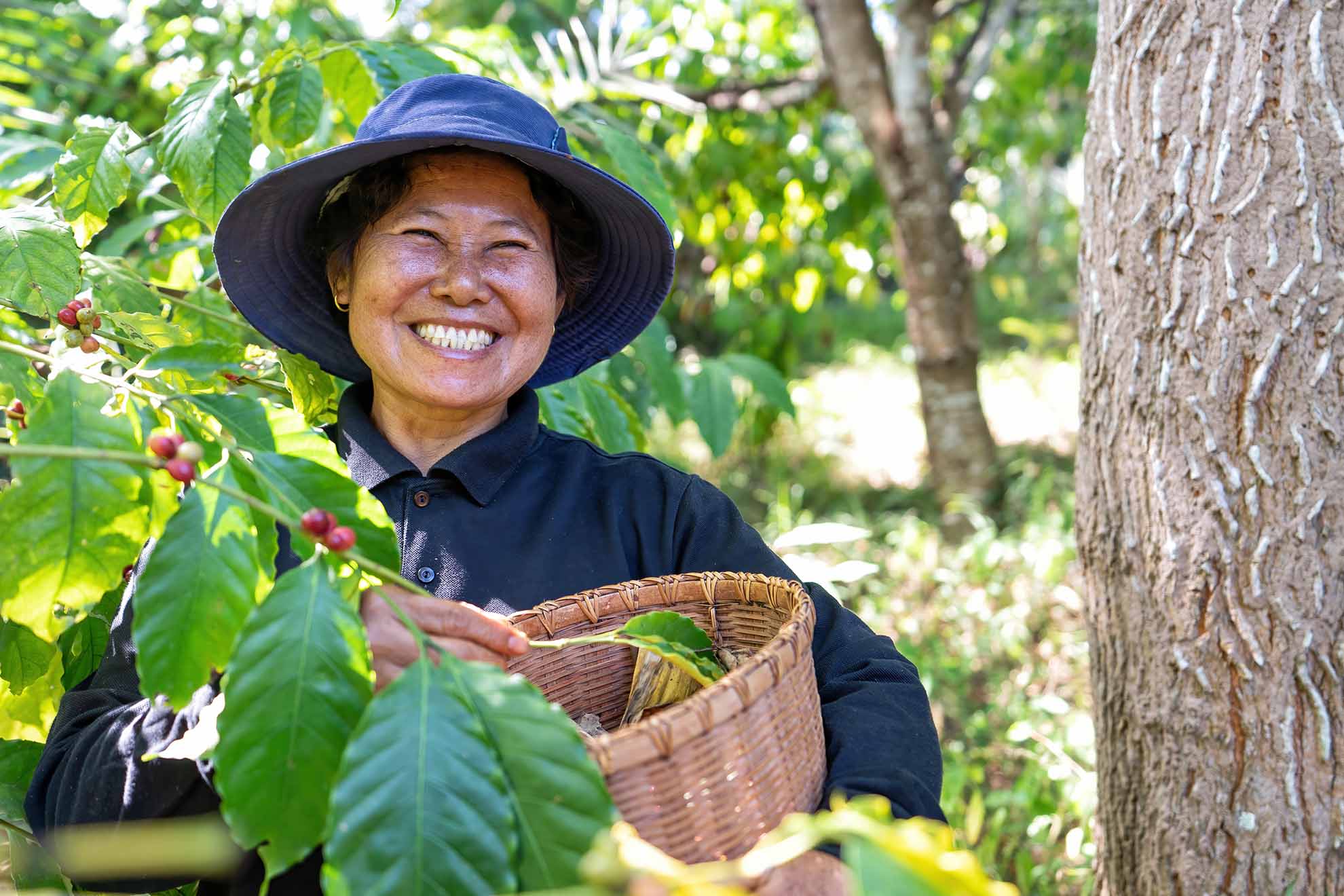
There’s also the quantity factor. Coffee isn’t an occasional indulgence like a Michelin-star meal. It’s a daily ritual. The need for constant re-purchasing makes consumers more receptive to ethics-based marketing , and less likely to be loyal if a better option becomes available.
Lastly, the exposure to headlines about exploitation and forced labour scandals has created hyper-awareness of the impact of western coffee habits. Many consumers are thus empowered to choose ethical brands.
In many ways the coffee consumer is more connected to the process involved in their luxury than the fashion consumer. While both industries have their fair share of human rights scandals, the higher end of the coffee industry leans much more into sustainable and ethical practices than its fashion counterparts. Media coverage seems to have created a stronger sense of responsibility in the informed coffee consumer with money to spend.
When you consider that coffee consumers have been exposed to decades of headlines about exploitation and forced-labour scandals, alongside the number of purchasing and re-purchasing decisions the consumer has to make, then the unique preference for positive impact becomes understandable.