


Why tech companies are investing more in premium workplace coffee
Lily | June 16, 2026 | 7 minute read

The technology and fintech sectors in London operate under a distinct set of operational pressures. Over the past few years, the landscape has shifted from flashy, surface-level perks to a focus on structural efficiency, workplace utility, and targeted employee retention. As facilities managers and business owners navigate the complexities of hybrid work models and a highly competitive talent market, everyday office infrastructure is being re-evaluated for its measurable return on investment.
A key area of focus is the office beverage programme. Premium workplace coffee has moved from a standard facilities line item to a deliberate tool for optimising the working day. High-growth businesses are increasingly replacing basic kitchen setups with commercial bean-to-cup coffee machines to address specific workplace challenges, ranging from time management to team collaboration.
Reducing the hidden cost of an offsite coffee run
Time management remains a critical metric for fast-paced technology firms. When an office relies on instant coffee or an outdated domestic machine, employees frequently look outside the building for their hot drinks.
In major tech hubs like Shoreditch, Kings Cross, and Canary Wharf, cafes compete for your employees time, with varied and enticing menus, dietary friendly options and skilled baristas.
While taking a brief break is necessary for cognitive focus, repeated offsite trips create a noticeable drop in daily productivity. A typical journey to a local cafe, including queuing and waiting for a barista to prepare the drink, takes approximately fifteen minutes. When this routine is multiplied across a sizeable team of software engineers, product managers, or data analysts, the cumulative total of lost working hours becomes significant.
Example calculation of time lost to bad coffee:
50 employees × 2 offsite trips per day = 100 trips daily
100 trips × 15 minutes = 1,500 minutes (25 hours) per day
25 hours × 250 working days = 6,250 lost productive hours annually
By integrating a high-capacity commercial bean-to-cup machine into the office kitchen, a business brings specialty-grade coffee and other trendy drinks options directly into the workspace. An employee can select and receive a fresh espresso, flat white, or Americano in under a minute. And with some additions, a hot chocolate, an iced matcha or a chai latte. This system keeps teams onsite during critical project windows, minimises disruption to deep-focus work, and recovers thousands of pounds in otherwise lost operational time over the year.
Designing spaces for cross-functional collaboration
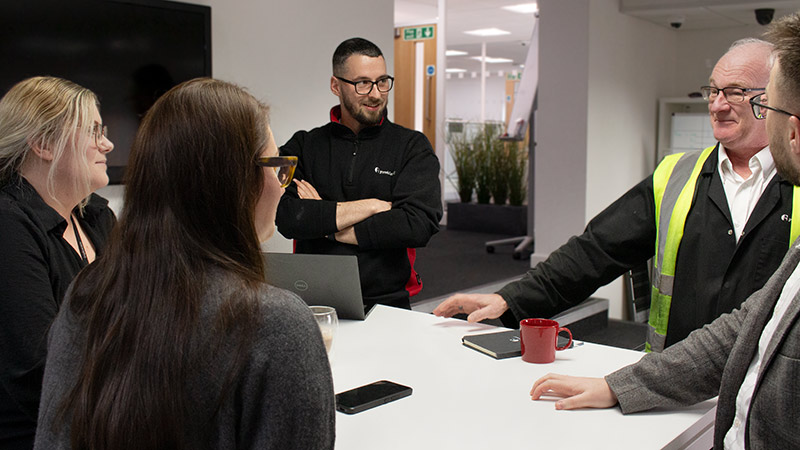
The layout of modern tech offices has evolved significantly. Data from commercial design firms indicates that forward-thinking companies are shifting away from desk-dense layouts, with some allocating up to 70% of their floor plan to shared, flexible spaces. The objective is to encourage spontaneous, cross-functional communication between teams that might otherwise operate in isolation, such as a backend development team and a client-facing sales division.
A premium coffee station acts as the natural structural anchor for these collaborative zones. By positioning high-quality beverage equipment within open breakout areas, companies create a central hub that draws people away from their desks.
The brief dwell time spent waiting for a machine to grind and brew a fresh coffee creates a consistent opportunity for casual interaction. These casual encounters frequently serve as the starting point for practical problem-solving, knowledge sharing, and project alignment. Unlike scheduled formal meetings, these micro-interactions break down departmental silos naturally, making the office environment a more functional space for joint innovation.
Aligning corporate hospitality with client expectations
For fintech firms and technology businesses regularly hosting investors and high-value clients, every aspect of the office environment contributes to corporate reputation. First impressions are established within minutes of a guest entering the building, and the quality of hospitality offered plays a subtle but definite role in that perception.
Serving lower-grade instant coffee or using a temperamental, messy pod system conveys a lack of attention to operational detail. Conversely, offering a visitor a correctly extracted beverage made from freshly ground, sustainably sourced beans establishes a professional standard from the outset. It demonstrates that the business values quality, prioritises client comfort, and maintains high standards across all areas of its operation.
This level of hospitality applies equally to internal teams. Providing commercial-grade amenities shows employees that their working environment is fully supported by the business. It upgrades the daily office experience, shifting the workplace from a location staff attend out of necessity to a well-equipped destination that actively supports their day.
Attracting talent in a highly competitive market
The competition for technical expertise in London remains exceptionally intense, with widespread skills shortages reported across software development, data analytics, and artificial intelligence. Attracting and retaining top-tier professionals requires a comprehensive employee value proposition that extends beyond salary structures to include the standard of the daily working environment.
Premium office amenities are now an established benchmark for candidates evaluating potential employers. During an interview or office tour, a candidate will notice the equipment and facilities available to staff. A modern, reliable bean-to-cup machine that offers specialty options, including dairy alternatives, serves as a clear visual indicator of a progressive, employee-centric workplace culture.
Retaining highly skilled personnel also depends heavily on removing minor workplace frustrations that chip away at daily job satisfaction. Unreliable kitchen equipment, slow hot water taps, or poor-quality provisions cause unnecessary friction. Providing a dependable, high-quality coffee solution removes these small daily annoyances, supporting overall morale and helping to protect the business against costly staff turnover.
Streamlining maintenance and operational uptime
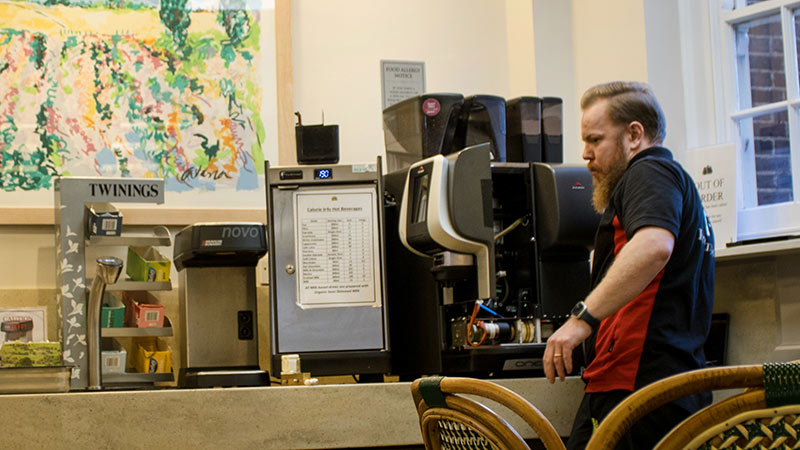
For facilities managers and office operations teams, introducing new equipment requires careful consideration of the long-term maintenance burden. In a busy tech office where a coffee machine faces constant, heavy usage throughout the day, reliability and ease of cleaning are paramount to prevent facilities teams from being overwhelmed by support tickets.
Modern commercial coffee machines are engineered precisely to balance high-volume output with straightforward maintenance protocols. Leading bean-to-cup systems feature automated rinsing and descaling programmes that handle the majority of heavy cleaning cycles internally, requiring minimal daily manual intervention from office staff. This keeps the system hygienic, operational, and running at peak performance without drawing valuable time away from the workplace management team.
Partnering with a specialist commercial coffee provider adds an essential layer of operational security. A comprehensive service structure ensures that preventative maintenance, professional descaling, and technical support are managed by qualified external engineers. In the event of a technical fault, prompt engineer call-outs ensure that the machine is repaired quickly, maintaining office uptime and keeping the workplace running smoothly.
Selecting the right system for your space
Optimising your workplace coffee experience requires an understanding of your specific office layout, daily user volumes, and tech infrastructure. Matching the right commercial bean-to-cup machine with a reliable service plan ensures your facility remains self-sufficient, cost-effective, and highly valued by your workforce.