


Office coffee machine rental costs in 2026: contracts, pricing & what’s included
Lily | September 1, 2026 | 7 minute read

Getting the right office coffee machine isn’t just about picking the perfect model or finding the best beans. For office managers and facilities teams in 2026, the real test is securing an office coffee machine rental contract that works for your business.
With 84 percent of facilities management leaders citing escalating operational costs and budget constraints as a primary concern, signing the wrong agreement can quickly drain your resources. Too long, and you are trapped with equipment that no longer fits your headcount. Too short, and your monthly premiums skyrocket unnecessarily. Alongside these budget pressures, retaining talent in hybrid work models is a top priority, making your office coffee provision a strategic tool for staff satisfaction rather than just a simple line item.
So, how do you navigate UK coffee machine contracts this year? Here is what you need to know to evaluate your options and choose a flexible agreement with total confidence.
Where office coffee machine pricing stands in 2026
The traditional model of buying commercial equipment outright is fading fast. Buying requires a heavy upfront capital expense, which ties up cash flow that could be deployed elsewhere in your business. Furthermore, when a purchased machine breaks down, your team is entirely responsible for sourcing an independent engineer, paying the call-out fees, and covering the cost of replacement parts.
Today, renting is the dominant and most sensible choice for UK businesses. A solid coffee machine leasing agreement spreads the cost of your office coffee machines over predictable, manageable monthly payments. But more importantly, a good rental model wraps the machine, the maintenance, and sometimes even the consumables into a single, straightforward package.
It is worth noting the difference between a basic finance lease and a genuine rental contract. A lease simply funds the hardware, often leaving you responsible for upkeep, repairs, and depreciation. A true rental contract keeps that hardware running smoothly year after year, with the supplier taking on the risk of mechanical failures.
For some rough indicators of how much rental costs for office sizes, we’ve put together a simple table below. Please note that these prices are indicative and can vary depending on the level of quality and features you want from a machine.
| Office size | Drinks per day | Typical rental cost per week |
|---|---|---|
| 20 to 50 staff | 40 to 100 | From £23 to £82 |
| 50 to 200 staff | 100 to 400 | £54 to £202 |
| Over 200 staff | More than 400 | From £140 |
The real cost of short versus long contracts
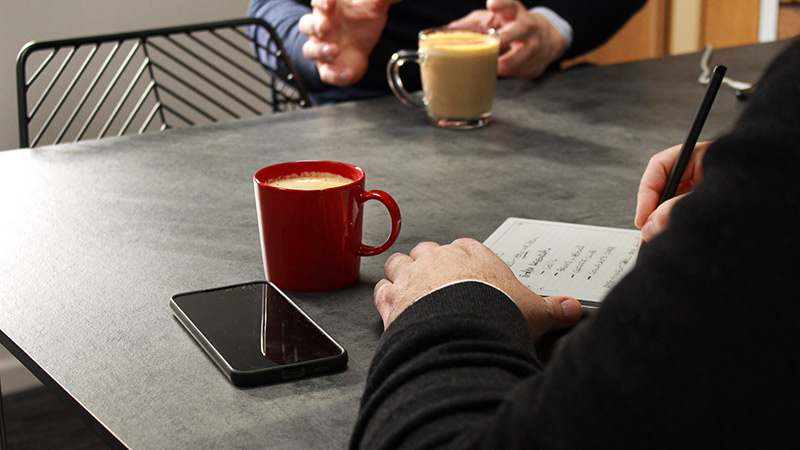
One of the biggest factors influencing your monthly price is the length of your commitment. In 2026, suppliers generally offer anything from 12-month rolling agreements to fixed five-year terms, each with distinct financial implications for your business.
Short term rental contracts give you maximum flexibility. If your business is scaling rapidly, relocating to a new building, or you are simply unsure about your long-term office footprint, a 12-month term allows you to upgrade or scale back quickly. However, this freedom comes at a premium. You will pay significantly higher monthly costs because the supplier has less time to recover the cost of the equipment.
Longer contracts, typically three to five years, remain the standard for established offices with stable headcounts. They offer much lower monthly payments and make budget forecasting simple for facilities teams. The trade-off is the strict commitment. If your team doubles in size in year two, a rigid long-term contract might leave your machine struggling to keep up with demand, causing long queues and frustration in the kitchen.
When weighing up contract lengths, consider these core trade-offs:
- Short term coffee machine rental contracts offer high flexibility for growing teams but carry higher monthly premiums
- Long terms secure the lowest monthly rate but lock you into a set capacity for years
- Standard finance leases might penalise you heavily for upgrading your equipment early
- Progressive rental models allow you to upgrade equipment mid-contract without punitive fees
What should be included in your rental agreement
The headline price of a rental contract can be dangerously misleading if you do not look closely at the specific inclusions. A cheap monthly rate almost always hides expensive gaps in service that will cost you later.
Preventative maintenance is the most critical inclusion. Commercial machines have fast-moving parts and handle high volumes of hot water under high pressure. This means they need regular, professional servicing to prevent breakdowns before they happen. Check if your contract includes annual boiler inspections, mandatory water filter changes, and regular professional descaling.
Reactive maintenance is just as vital for office morale. If your bean-to-cup machines stop working on a Tuesday morning, how quickly will an engineer arrive to fix them? Make sure your agreement specifies a clear service level agreement for call-outs, and verify that both replacement parts and engineer labour are fully covered. If they are not, a cheap monthly rental will quickly become a budget-draining liability.
Every week at FreshGround, we receive service-only enquiries from new customers with existing machines they have purchased outright that have broken down. They want to go onto a service plan after the problem has occurred, which means they face delays in repairs, as well as the need to find a maintenance provider.
Having preventative maintenance and engineer support included from the start negates this risk, keeps servicing costs predictable, and reduces the administrative burden on facilities teams. While it may not always be the cheapest option over the lifetime of a machine, many businesses value the certainty of fixed costs and the reassurance that support is already in place if a fault occurs.
How add-ons affect your monthly price
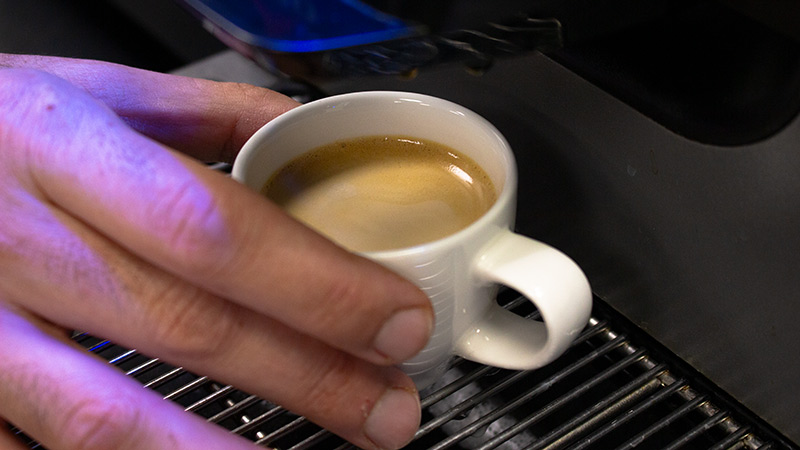
A basic rental figure only tells part of the story. The final cost of your office coffee setup will depend heavily on the hardware and service extras you select to meet your team’s specific needs. Rather than a flat rate, think of your machine as a modular system where each capability adjusts the weekly or monthly price.
Let’s look at the most common additions and how they impact your budget:
- Comprehensive service plans often add between £9.50 and £27.50 per week depending on your machine and contract length, and for high-specification models, this level of maintenance is often mandatory to keep them running at peak performance.
- Fresh milk fridges are essential for any machine producing barista-style drinks, adding roughly £7 to £50 to your weekly cost depending on the capacity and specific model you choose.
- Dual milk systems cater to inclusive workplaces by offering standard dairy alongside a plant-based alternative, with basic powdered milk setups starting around £36 per week and premium allergen-friendly dual fridges starting at £158 per week.
- Dual bean hoppers give you the flexibility to provide both a regular and a decaf option, or two distinct roast profiles, which typically prices the machine between £50 and £129 per week before other accessories.
- Hot chocolate hoppers are a popular request for non-coffee drinkers, costing around £16 per week as a standalone addition to a compatible unit.
Ultimately, the length of your contract and the exact model you choose will dictate the final price of these extras. Building a clear picture of what your staff actually drink will stop you from paying for features you do not need, while ensuring you budget accurately for the options that matter most to your team.
Choosing a flexible contract with confidence
The biggest mistake businesses make in 2026 is treating an office coffee contract as a static, fixed utility like broadband or electricity. Your office environment is dynamic, and your coffee provision should be equally adaptable.
Before you sign any paperwork, ask your supplier exactly what happens if your operational needs change. Can you easily swap a small unit for a high-capacity model if your headcount unexpectedly grows? Can you seamlessly add a second machine for a newly opened floor? A modern rental agreement should never penalise your business for growing. Instead, it should adapt to your trajectory smoothly.
Look for absolute transparency from your provider. The best suppliers will clearly outline the total cost of ownership, the exact service and maintenance inclusions, and your practical options for upgrading equipment during the term. When you know exactly what you are paying for, you can sign the contract knowing your team will have exceptional coffee for years to come.
Let’s chat
Navigating commercial rental terms does not have to be a complicated or stressful process. At FreshGround, we believe in transparent, flexible contracts that put your business and your team’s workplace experience first. Whether you need a short-term solution for a temporary workspace or a long-term partnership with full preventative maintenance included, we can tailor an agreement that fits your exact budget.
Ready to see how we can upgrade your office experience? Book a demo in our London showroom to try the machines for yourself, or get in touch with our team today to discuss your contract options.
Frequently asked questions
Can I end a coffee machine rental contract early?
No, a contract cannot typically be ended early outside the terms of the contract itself. To mitigate this, FreshGround’s rental contracts are flexible to allow regrading of machines to change with your circumstances. So if you need a bigger or smaller machine, you can change this within your contract without penalty, or changing the terms.
What happens if my machine breaks?
If you want to use it again, you need to get it fixed! The first step is to find a supplier to support you with the repair, and then contact them to discuss the next steps. This is usually diagnosis (sometimes over the phone) and then most-likely an engineer visit, either to further inspect the issue or carry out a straight repair, depending on the nature of the break down.
Of course, this is a lot more straight forward if maintenance is included in your rental contract from the get-go. This would mean a
Can I upgrade during the agreement?
This depends on your provider. FreshGround rental agreements do allow you to upgrade your machine mid-contract without changing the terms. This means you can scale your business, confident in the knowledge that your coffee and water dispensers can scale with you.
Who owns the machine at the end?
Again, this depends on the terms of your agreement. If you lease a machine, very often you end up owning it at the end of the payment terms. However, a rental agreement means that the supplier owns the machine and you will never own it. Coffee machines have a typical lifespan of ten years, and require more maintenance in the latter part of their life. If you own the machine outright, you will be responsible for the repairs, not a third party supplier.