


The most common complaints employees have about workplace coffee
Lily | June 5, 2026 | 4 minute read

When your workplace coffee fails to meet expectations, the consequences will show up in a number of different ways in your business. Staff will start popping to the high street for their caffeine fix, taking valuable productive time with them. Client impressions can suffer when a meeting opens with a subpar beverage, and general team morale can take a subtle hit.
Understanding the most common snags your team has about their daily coffee is the first step toward transforming your office coffee setup into an asset that boosts productivity and workplace culture.
Bad or inconsistent coffee
The most immediate frustration in any office centres on drink quality. If the coffee served at work varies wildly from one day to the next, it quickly becomes a source of daily irritation for staff.
This consistency issue rarely stems from the beans alone. More often, it comes down to a reliance on outdated equipment that simply cannot maintain stable brewing conditions.
When an office relies on manual filter jugs or basic domestic machines, temperature control is virtually non-existent. Coffee requires a precise brewing temperature between 90°C and 96°C to extract the correct flavour compounds. If the water temperature drops too low, the coffee tastes weak and sour. If the liquid sits on a hotplate for hours, it burns and becomes unpleasantly bitter.
Upgrading to a dedicated office coffee machine removes this human error entirely. Modern commercial bean to cup systems utilise advanced internal heating blocks to ensure every single cup is extracted at the exact temperature required, preserving the natural flavour profile of the bean. Reliable quality keeps staff on-site and helps maintain collaborative momentum throughout the day.
Options don’t cater to dietary needs
A modern office beverage programme can no longer rely solely on a standard dairy milk delivery. The lack of dietary inclusivity at the coffee station is a growing concern for UK workers.
Whether due to lifestyle choices, allergies, or lactose intolerance, a significant portion of your workforce now actively avoids dairy, and a limited menu can leave them feeling overlooked.
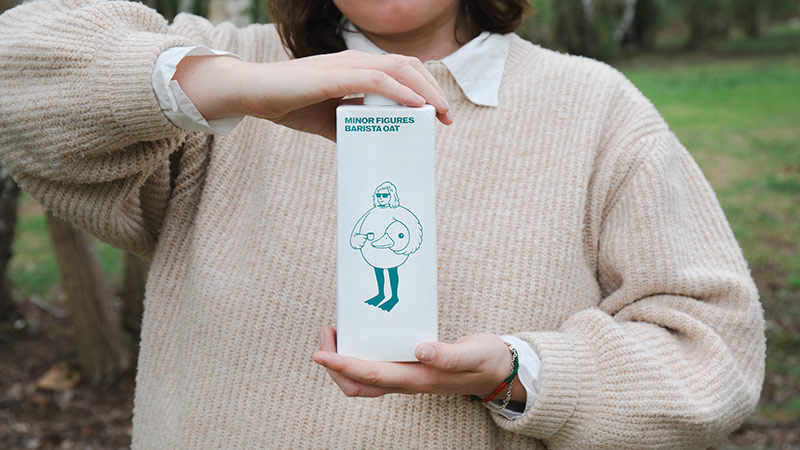
Leaving a carton of standard supermarket almond or soy milk in the communal fridge rarely solves the problem. Standard retail plant milks frequently curdle when they come into contact with hot, acidic espresso, resulting in an unappealing drink that ends up down the sink. Furthermore, a menu restricted to standard black coffee fails to satisfy team members who prefer specialty drinks, hot chocolates, or decaf options.
Addressing this requires a conscious approach to your office coffee supplies. Introducing barista-grade plant milks, specifically for hot drinks, will create a more inclusive experience. Furthermore, technologies have now enabled non-dairy options for powdered milk coffee machines, which don’t need any fridge space for milk. This ensures that every team member can enjoy a premium beverage without compromise.
High-quality commercial machines can also be configured with dual-bean hoppers and multiple soluble canisters. This allows a single system to seamlessly transition from an intense espresso to a rich hot chocolate or a velvety decaf latte, demonstrating a genuine commitment to employee wellbeing.
Downtime because the machine is constantly breaking
Frequent downtime is a significant pain point for facilities managers and office managers alike, directly triggering an influx of internal complaints and disrupting the morning routine. When a machine is constantly out of service, staff are forced to look elsewhere for their drinks, which breaks up the flow of the working day.
In most cases, chronic unreliability is caused by using a machine that is not rated for the true volume of the office. A domestic or light-commercial unit pushed to make dozens of coffees a day will rapidly scale up, clog, or suffer component failure. This issue is compounded if the workplace lacks a clear maintenance schedule, leading to blocked milk lines and system faults that take the machine offline for days at a time.
Resolving this requires balancing machine capacity with your actual office headcount. Investing in a robust commercial office coffee machine backed by a comprehensive service plan ensures that technical issues are intercepted before they halt your morning momentum. Having access to rapid engineer support and regular preventative maintenance keeps the coffee flowing, protecting your investment and maintaining workplace morale over the long term.
It takes too long to make a cup
Time is a precious commodity in any business environment. When getting a morning drink requires navigating a complex, multi-step ritual, frustration builds. This is particularly true in offices that still rely on traditional espresso machines where staff must grind, tamp, and froth milk manually, or where a single slow kettle creates a bottleneck at the start of the working day.
Long queues in the kitchen interrupt the flow of the working day and drain productivity. While a casual chat while waiting for a brew can support positive workplace culture, an extended delay because a machine is slow to heat up or overly complicated to navigate is a source of hidden inefficiency.
Transitioning to an intuitive bean to cup office coffee machine streamlines this entire process. With responsive touchscreens and one-touch operations, an employee can select their preferred beverage and have a premium, barista-standard drink in under a minute. This speed keeps the office kitchen moving efficiently, allowing staff to spend less time managing a temperamental machine and more time focusing on their core work.