


5 ESG trends to take seriously in 2026
Lily Hedley | December 18, 2025

Sustainability is no longer optional. Businesses today are held accountable not just for the products they sell, but for the impact they have on the planet, their employees, and wider society. From scrutinised environmental claims to climate adaptation and biodiversity protection, the lens on responsible business practices has never been sharper. Understanding these pressures —and acting on them— is essential for organisations that want to remain credible, resilient, and attractive to employees and clients alike.
Honest ESG reporting in 2026
 Image by @wocintechchat via Unsplash Images
Greenwashing is when a company presents itself as more sustainable than it really is. In the past, vague claims often slipped through unnoticed. That is no longer the case.
High-profile brands including Nespresso and Keurig have faced scrutiny over claims that single-use coffee pods are “recyclable”, despite this depending on access to specialist recycling infrastructure that most households do not have. These issues have been widely reported by consumer groups such as Which? and environmental organisations.
Regulation has also tightened. In the EU, the Corporate Sustainability Reporting Directive (CSRD) came into effect in 2024, replacing the Non-Financial Reporting Directive and significantly expanding mandatory ESG reporting, verification, and transparency requirements, as set out by the European Commission. In the UK, Streamlined Energy and Carbon Reporting continues to require qualifying organisations to disclose energy use, carbon emissions, and energy efficiency actions, under guidance from the Department for Business and Trade.
Put simply, there is far less room for vague or misleading sustainability claims.
Discover More: Office coffee without single-use plastic pods
Looking beyond carbon
Carbon reduction remains central to climate strategy, but it is not the whole picture.
According to the Intergovernmental Panel on Climate Change Sixth Assessment Report and the UN Environment Programme’s Global Methane Assessment, methane is responsible for around one third of observed global warming since the Industrial Revolution. It currently accounts for roughly 16 percent of global greenhouse gas emissions and is more than 28 times as potent as carbon dioxide over a 100-year timeframe.
This places greater emphasis on practical measures such as composting organic waste, reducing landfill reliance, and addressing methane leaks across energy and waste systems, including within business operations.
Discover More: 7 easy ways to make your workplace more sustainable
More love for biodiversity

We rely on nature, yet current business practices continue to erode the biodiversity that underpins economic stability.
PwC’s Nature Risk Rising report found that approximately 55 percent of global GDP is moderately or highly dependent on nature and ecosystem services. The World Economic Forum has similarly identified biodiversity loss as a major long-term economic risk.
As a result, protecting biodiversity and limiting deforestation are no longer fringe environmental concerns. They are increasingly recognised as essential to long-term business resilience.
ESG clarity with stakeholders
Clarity on ESG is critical, both internally and externally.
Guidance from the UK Financial Reporting Council and the International Sustainability Standards Board stresses the importance of balanced, evidence-based ESG reporting. This includes being open about progress made, as well as areas where improvement is still required.
Clear communication builds trust with employees, customers, and investors, while reducing the risk of reputational damage linked to overstated claims.
Adapting to a changing world
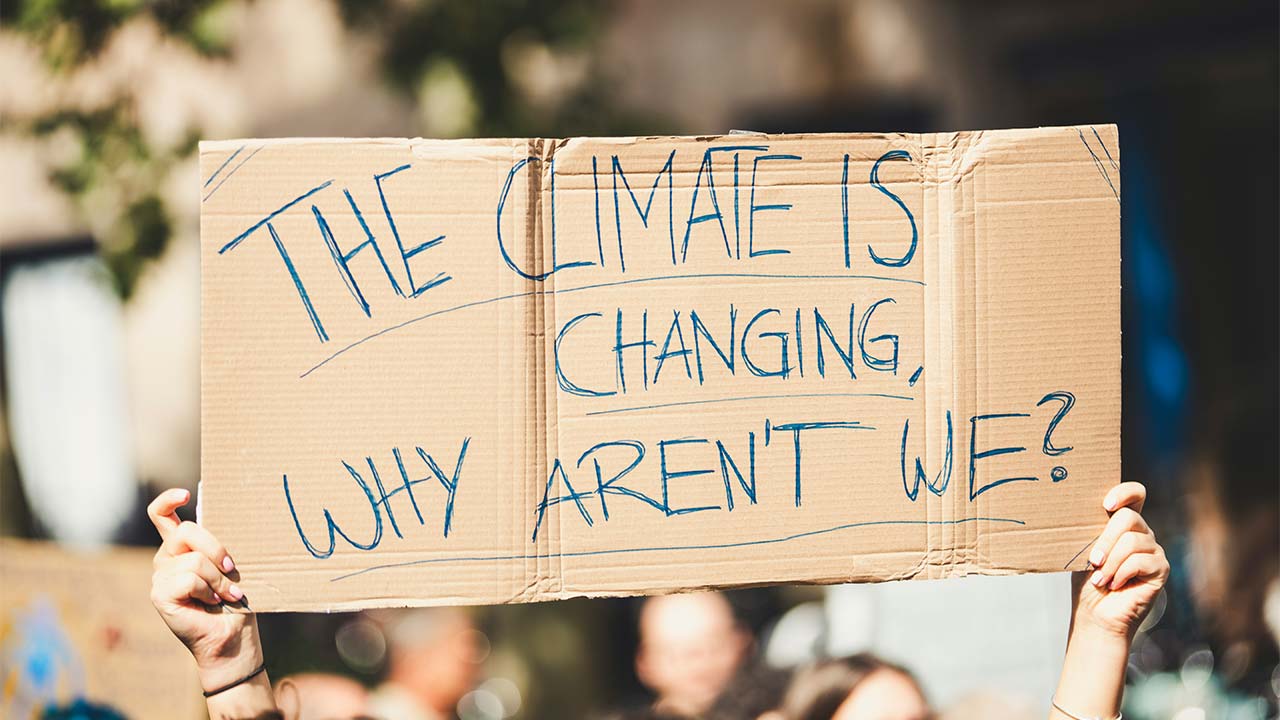 Image by @markusspiske via Unsplash Images
An immense focus of sustainability is on protecting the planet for future generations.
UK Met Office data shows a clear increase in the frequency and severity of extreme weather events, including heatwaves and flooding. Health and Safety Executive guidance now places greater emphasis on employers’ responsibilities to protect workers from heat stress and climate-related risks.
From adapting working conditions during extreme heat to planning for weather-related disruption, businesses are increasingly expected to care for their teams in a changing climate.
Discover More: FreshGround’s sustainability policy
Get in touch
Let’s discuss your workplace sustainability needs. Our eco-efficient coffee machines and water dispensers are free from plastics – making integral features in sustainable offices.